Spotting Gerbil Tail Slip and Getting Your Gerbil to a Vet Fast
Gerbil tail slip is permanent: the tail does not regrow, though most gerbils adapt. See what a vet does and how to lift a gerbil safely.

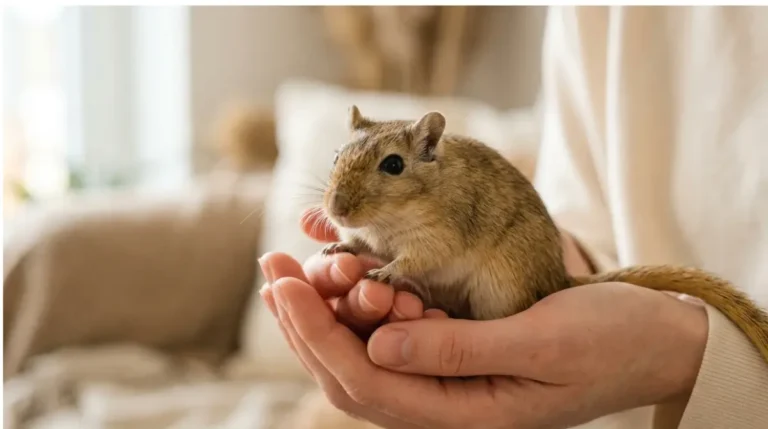
Gerbil tail slip is permanent: the tail does not regrow, though most gerbils adapt. See what a vet does and how to lift a gerbil safely.
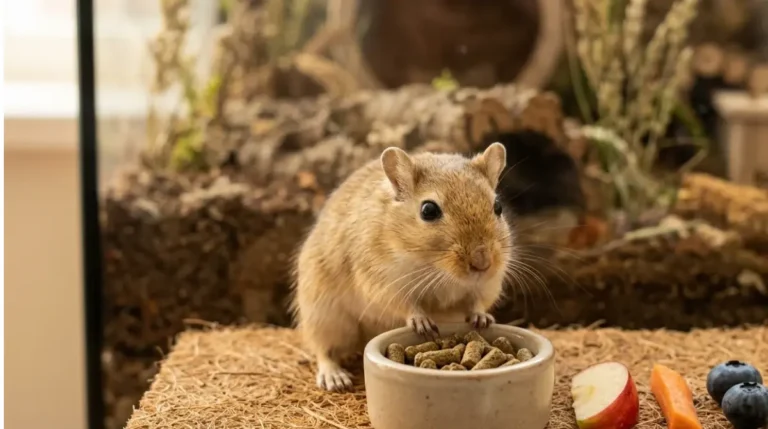
What gerbils can eat sounds simple until one source lists oranges as suitable and another says avoid citrus. Here is how the sources compare.
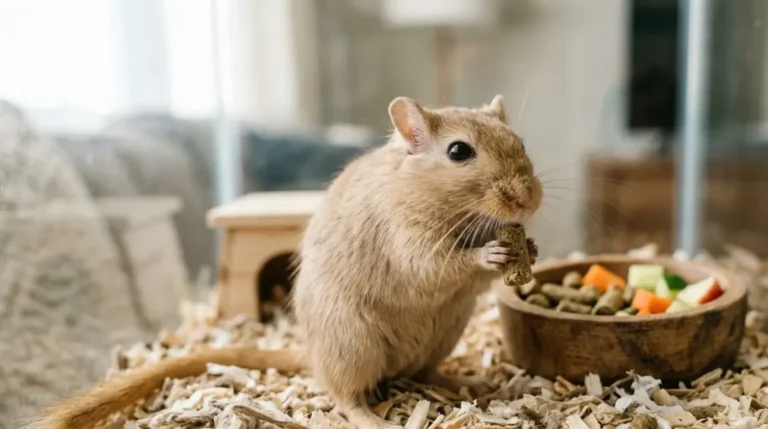
What do Mongolian gerbils eat? Mostly pellets, though one UK welfare charity accepts a gerbil-formulated mix. Here’s why advice splits.
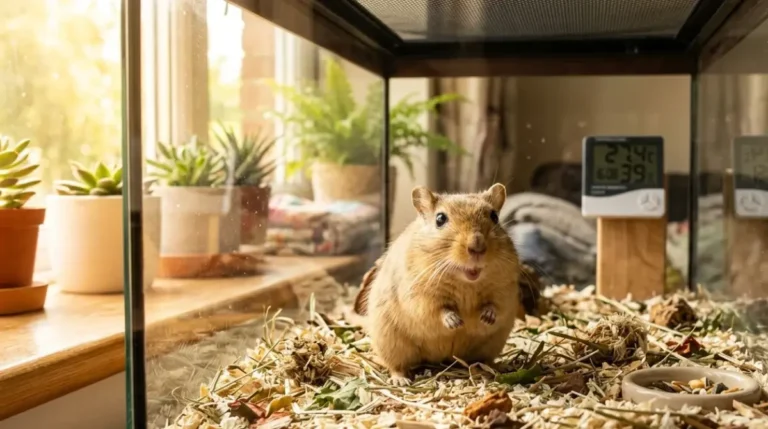
Gerbil temperature guidance splits: the RSPCA says 20–24°C, one retailer says above 25°C is too warm. Here’s how to read the gap for Mongolian gerbils.
A gerbil as a gift can work, but not as one animal and not everywhere. Here’s what the RSPCA, ASPCA and state rules say before you give one.
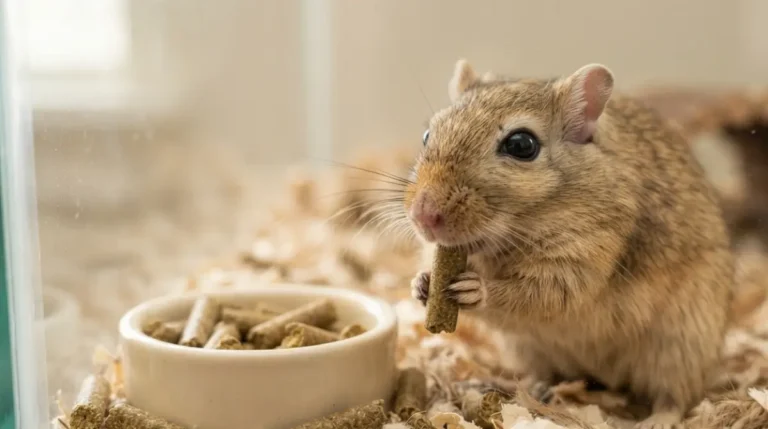
Best gerbil food gets murky: Merck ties diets above 4% fat to high blood cholesterol in gerbils, while WebMD gives 6–8%. Here’s how to read a bag.
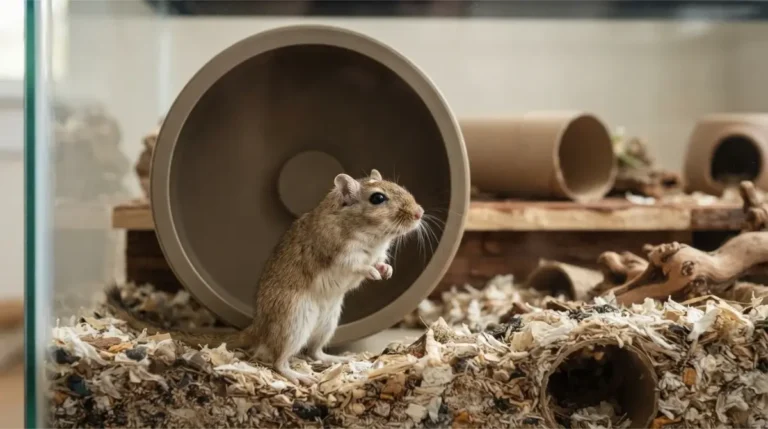
Best gerbil wheel? Listed sizes run from 5.5 to 11.6 inches, and the sources don’t agree on which one a gerbil needs.
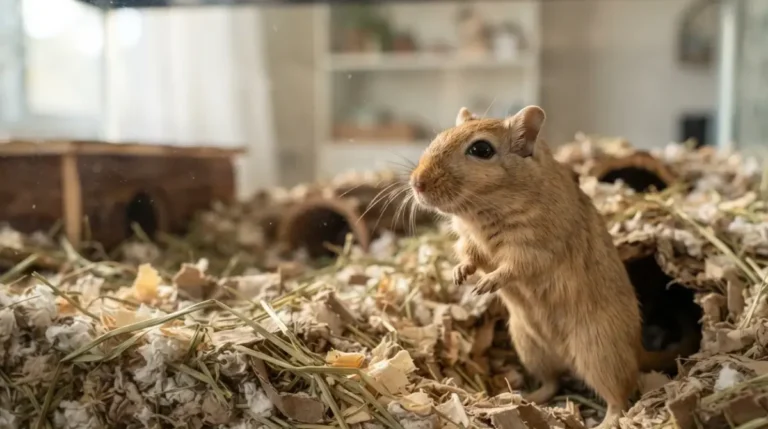
Mongolian gerbil bedding that holds tunnels needs depth first. See where the sources agree, and where they split on aspen.
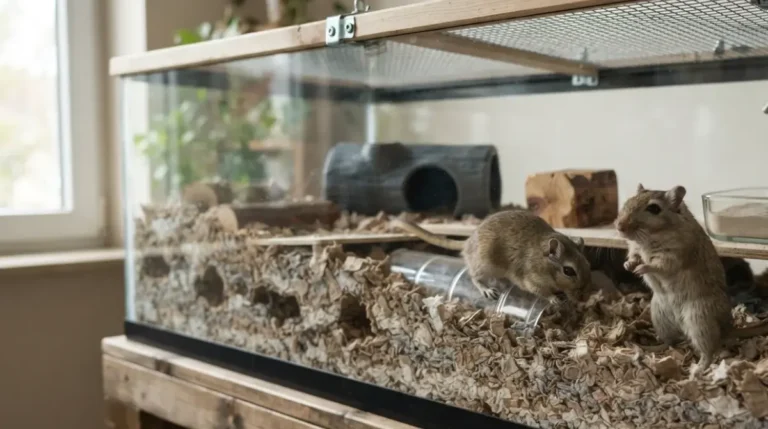
A gerbil tank should ideally be about 50 cm high, says the RSPCA, so tank height sets how deep bedding can go. See which tanks leave room to dig.

Introducing Mongolian gerbils starts with a split cage, and no source promises a timeline. See the routine and where rescue guides disagree.