Hamster Too Hot in Its Cage? The Right Way to Cool a Glass Tank

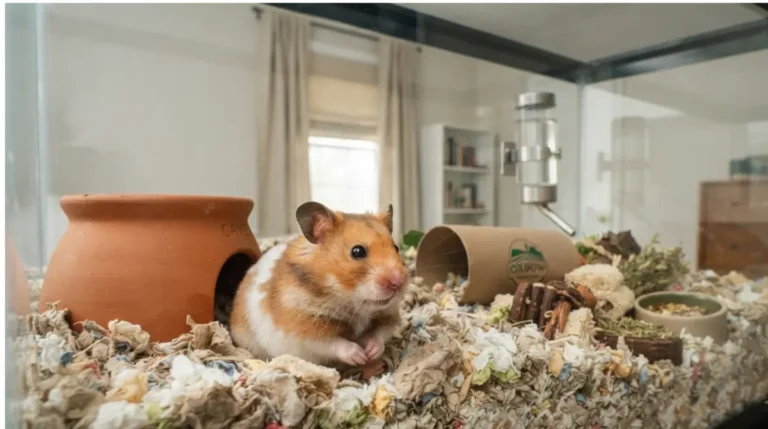
Hamster too hot in its glass tank? PDSA advises a steady 18–21°C (64–70°F), yet sunny tanks can run warmer. Here’s how to spot trouble and cool it safely.

 BySameer Patel
Last Updated:
Hamster too hot in its glass tank? PDSA advises a steady 18–21°C (64–70°F), yet sunny tanks can run warmer. Here’s how to spot trouble and cool it safely.
 BySameer Patel
Last Updated:
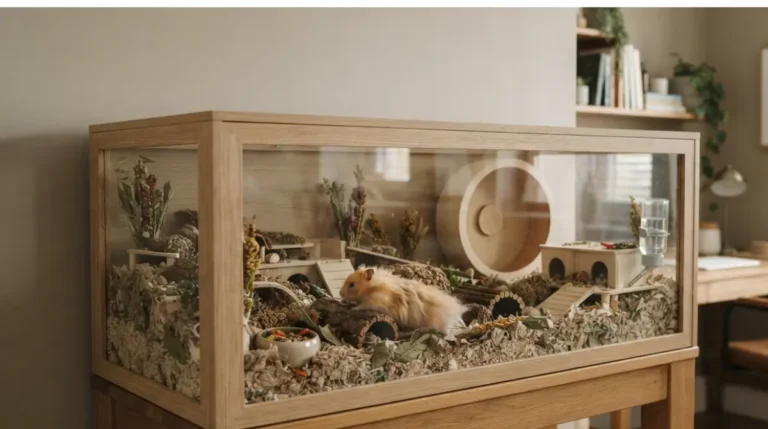
Good hamster cage placement starts with a steady temperature, quiet, and distance from the kitchen, where CDC says small pets don’t belong.
 BySameer Patel
Last Updated:
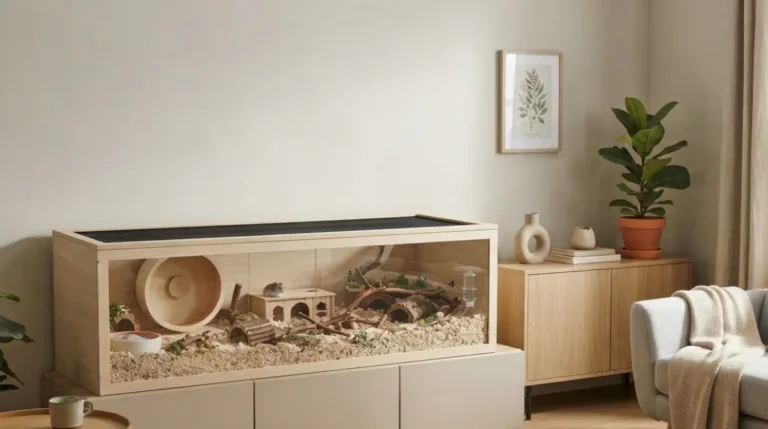
Small-space hamster cage plans often start with a 40-gallon breeder tank, but its 648 sq in falls short of 775. Here’s what actually fits.
 BySameer Patel
Last Updated:
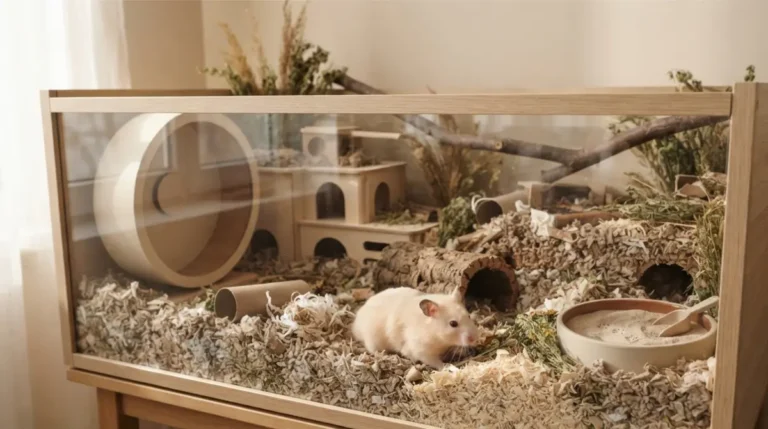
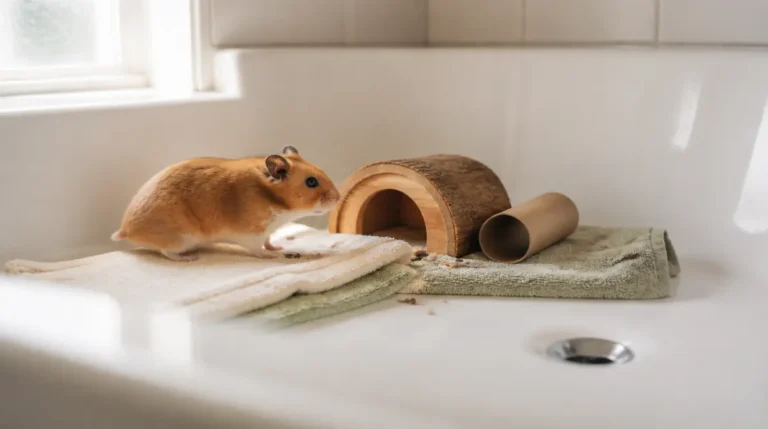
A proper hamster setup costs more than the kit suggests. The Syrian wheel we priced was $76.90; the dwarf’s, $35.90. Here’s every line.
 ByPrachi Verma
Last Updated:
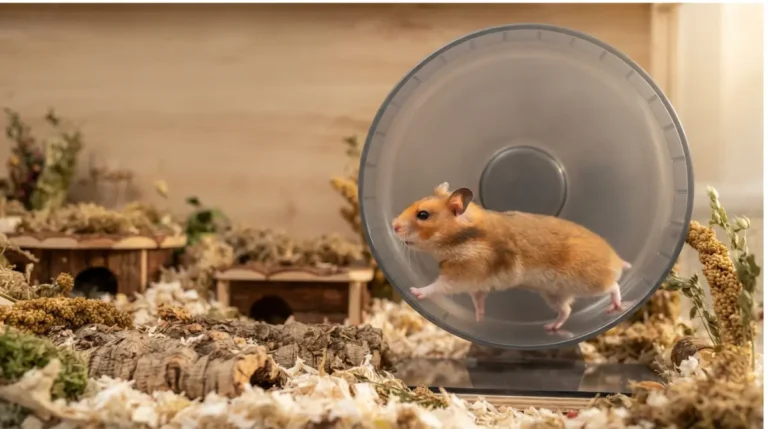
Hamster balls for Syrian and dwarf hamsters run 5 to 7 inches across, and none of 25 models passed a 2022 welfare review. Yours can become a hide.
 BySameer Patel
Last Updated:
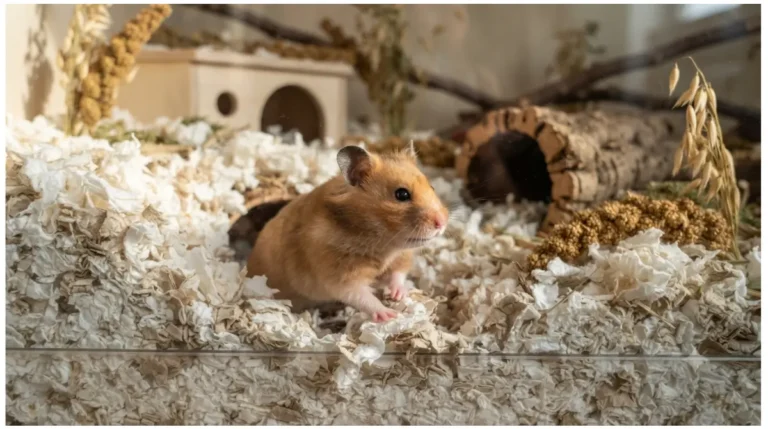
Hamster wheel size comes down to your hamster’s back: flat back, level head, it fits. See the range for Syrian, Robo, Campbell’s and Chinese.
 BySameer Patel
Last Updated:
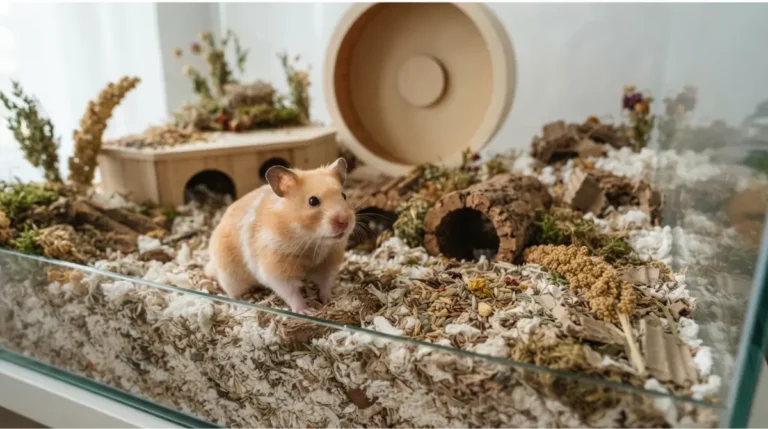
Hamster bedding depth changes behavior: Syrians on 4 inches chewed wire more, and every one on 16 inches built a burrow. See each standard.
 BySameer Patel
Last Updated:
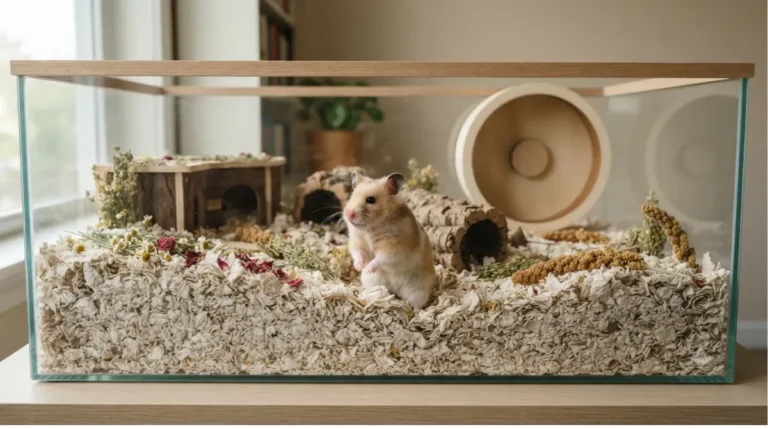
Bar biting in hamsters is a signal, not a quirk. Syrian hamsters on 10 cm of bedding gnawed bars more than those on deeper bedding. Here’s the fix.
 BySameer Patel
Last Updated:
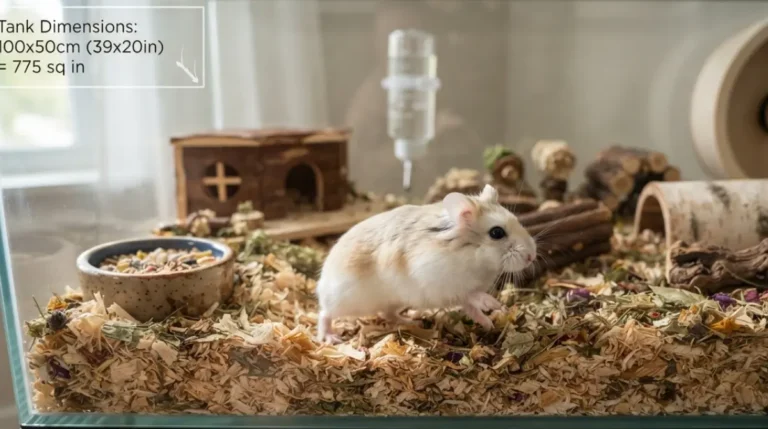
Pet store hamster cages sold as “extra large” can still list about 339 square inches, 44% of the 775 sq in minimum. Here’s how to check yours.
 BySameer Patel
Last Updated:
Robo hamster cages need the same 100 × 50cm floor as a Syrian’s. The harder part is bars: gaps under 1cm is the floor, not the goal.